Nov 27, 2025
Crittall-Style vs. True Bespoke Steel Doors: What’s the Difference and What Should You Specify
Sfarzo Ltd has worked extensively across both options, guiding clients toward solutions that meet technical requirements while delivering uncompromising design and quality.
POST
Metalwork
Luxury Architecture
Crittall-Style vs. True Bespoke Steel Doors: What’s the Difference and What Should You Specify
When specifying steel doors for high-end residential or commercial projects, architects and designers often encounter two primary options: Crittall-style doors and fully bespoke steel doors. Understanding the difference is essential to achieving the desired aesthetic, performance, and durability in any luxury project.
Sfarzo Ltd has worked extensively across both options, guiding clients toward solutions that meet technical requirements while delivering uncompromising design and quality.
What Are Crittall-Style Doors?
Crittall-style doors mimic the iconic industrial steel windows and doors originally produced by Crittall, a British manufacturer, in the 20th century
Characteristics:
Standardised panel sizes and grid layouts
Mass-produced components
Limited customisation
Suitable for period properties or industrial-style interiors
While visually appealing and often more affordable, Crittall-style doors cannot be fully tailored to unique dimensions, materials, or complex design specifications
What Are True Bespoke Steel Doors?
True bespoke steel doors are designed and fabricated to the exact requirements of the project. Every aspect — from size, hinge placement, panel proportions, and frame thickness to materials, f inishes, and hardware — is tailored to the client’s specifications
Characteristics:
Unlimited size and proportion options
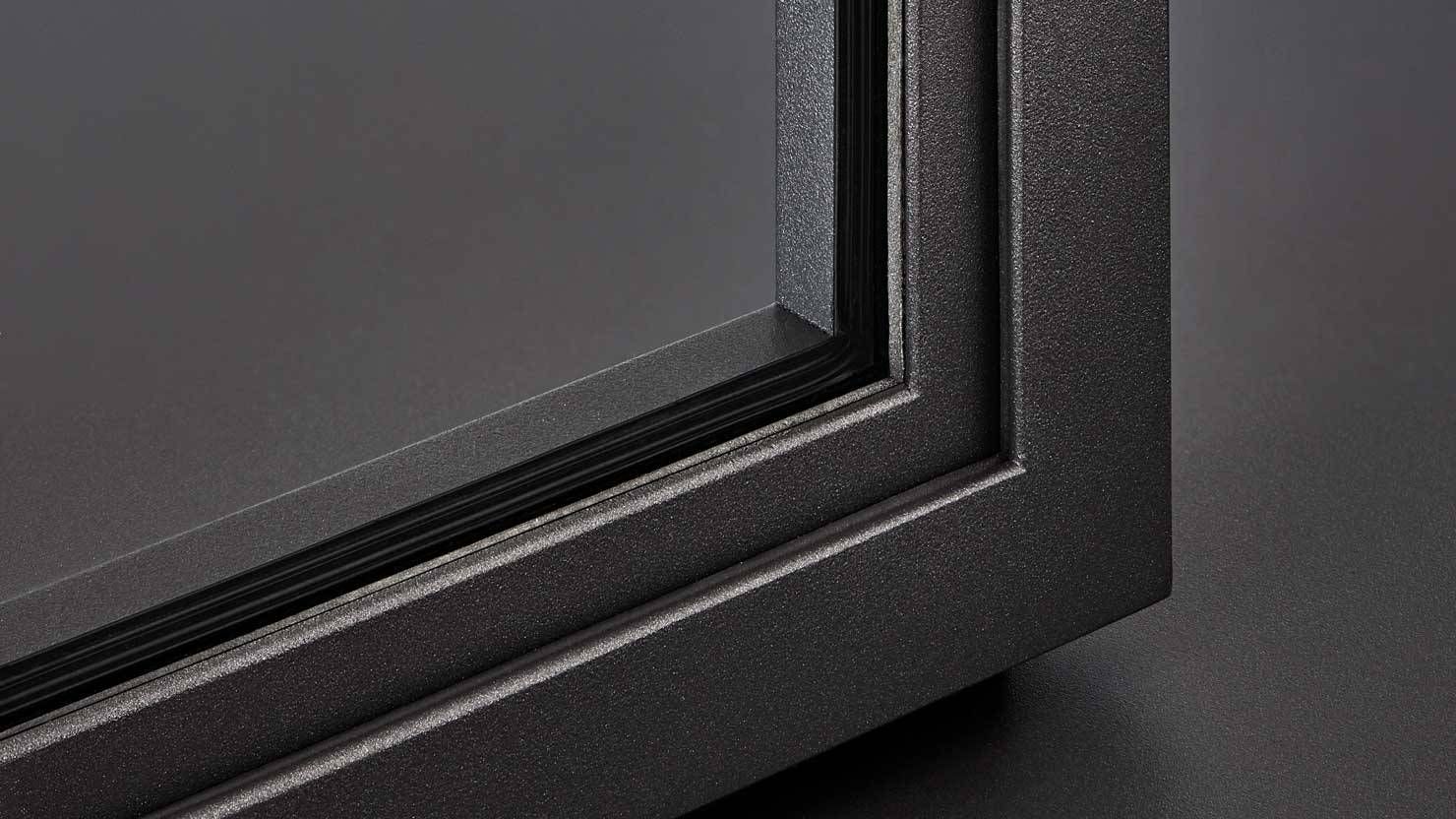
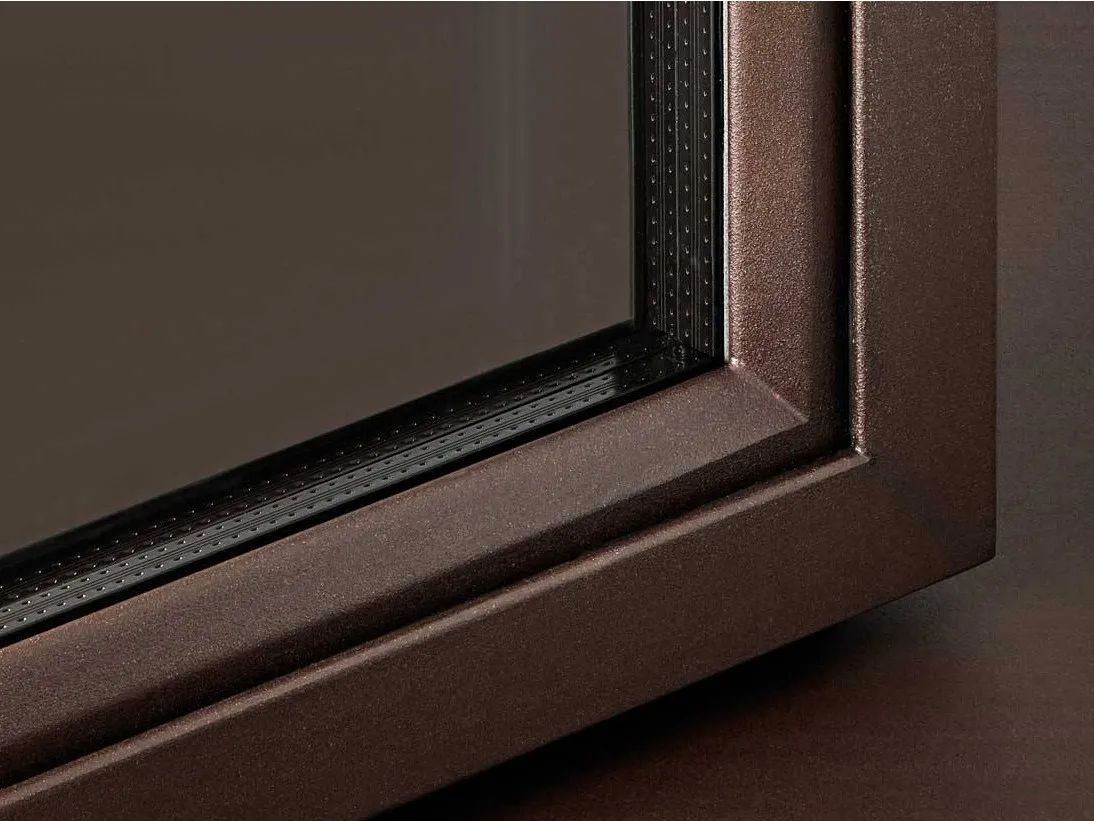
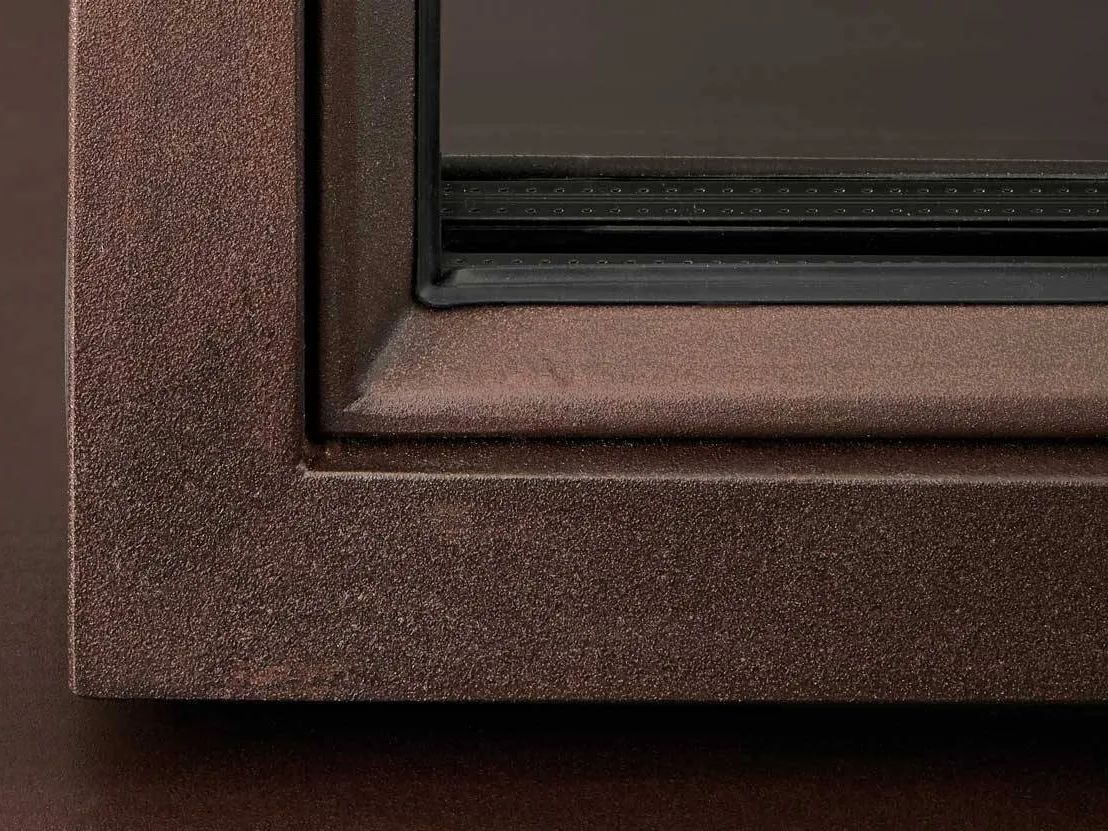
Fully custom finishes (powder-coated, polished, patinated, or brushed steel)
Integration with bespoke hardware and locks
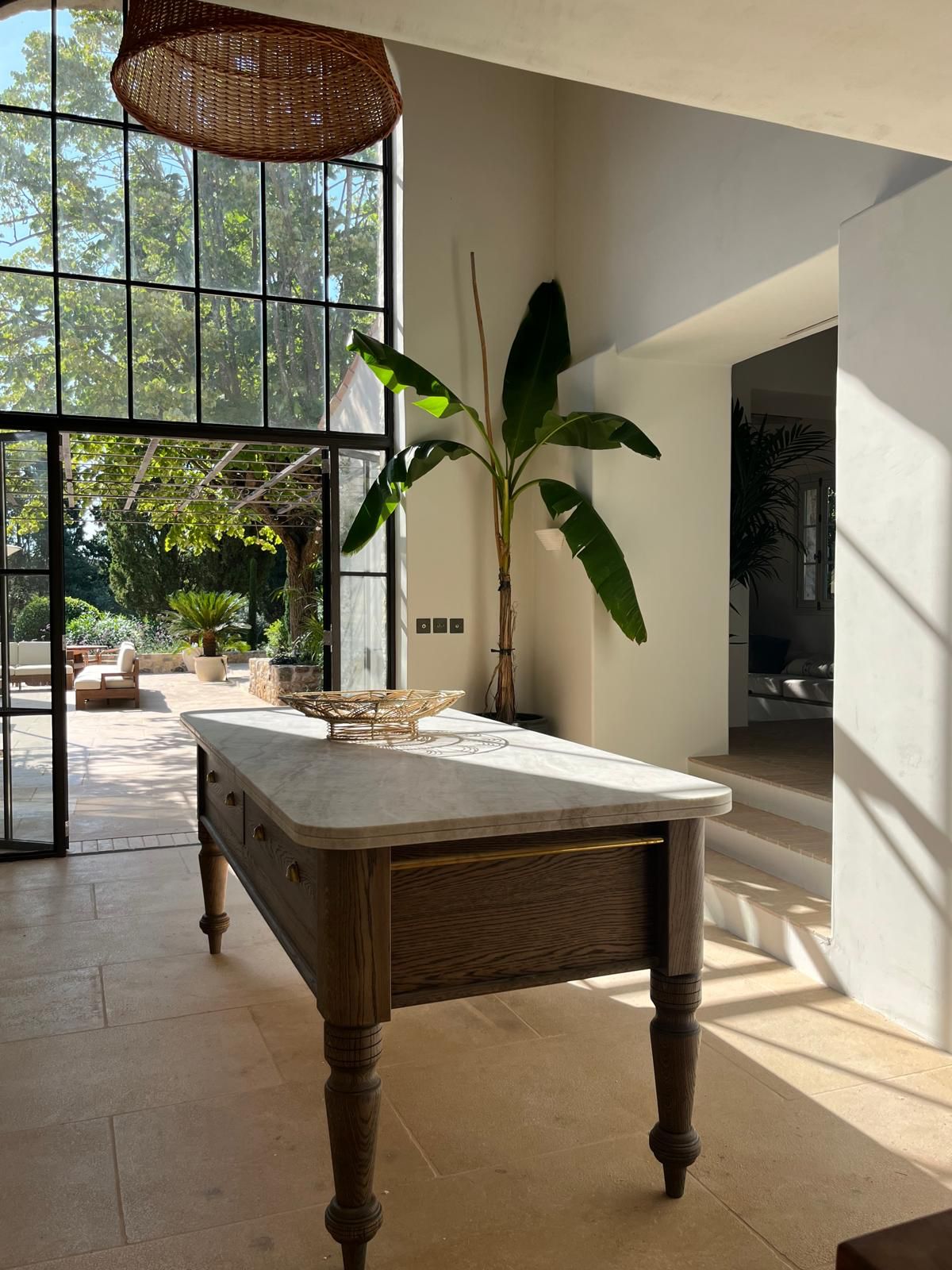
Ability to incorporate curves, glass panels, or non-standard geometries
At Sfarzo, bespoke steel doors are treated as works of art — engineered for performance but designed to elevate the space aesthetically.
Why Specification Matters
Choosing between Crittall-style and bespoke steel doors isn’t just about appearance. Architects must consider:
1. Scale and Dimensions
True bespoke doors can exceed three metres in height and be crafted to any width, while Crittall style options are limited by pre-fabricated components
2. Design Flexibility
Bespoke steel doors allow integration of complex design elements like curved glass, internal screens, or unique panel arrangements
3. Material and Finish Options
Bespoke doors can be crafted in mild steel, stainless steel, corten, brass, or bronze, finished to client specification. Crittall-style doors offer limited material options.
4. Structural and Security Considerations
Custom doors can meet specific structural, fire, or security requirements without compromising aesthetics.
5. Long-Term Value
Bespoke doors are designed to last decades and retain value, while off-the-shelf alternatives may require replacements or modifications.
Why Architects Choose Sfarzo for Bespoke Doors
Sfarzo Ltd has become a leading choice for architects and interior designers because the company combines: - Portuguese artisan fabrication: Skilled workshops capable of executing the most ambitious designs. - UK project management: Ensuring precise installation and alignment. - Material expertise: Steel, brass, bronze, corten, and stainless steel finishes that meet aesthetic and functional requirements. - Full customisation: From scale to detail, Sfarzo doors are tailored to the client’s exact vision.
The Bottom Line
Crittall-style doors can offer an attractive, industrial aesthetic with some design flexibility. However, for projects where precision, scale, material diversity, and luxury finishes are paramount, true bespoke steel doors from Sfarzo are the superior choice.
Architects and designers specifying Sfarzo doors gain a combination of creative freedom, technical reliability, and luxury craftsmanship — ensuring that every bespoke steel installation is a statement piece that elevates the project’s design integrity and enduring value